Workstyles · 15 January 2026
Focus Zone vs Relax Zone — Choosing Your Workstyle
How Malaysian freelancers can match deep-work and lighter tasks to the right workspace zone — without burning out or fighting the wrong environment.
 Workstyles
Not every hour of freelance work demands the same intensity. Some tasks need tunnel vision; others benefit from a looser rhythm and a bit of ambient energy. Coworking spaces in Malaysia — including venues around EcoSky, Batu Caves, and the wider Klang Valley — often split their floor plans into distinct zones for exactly that reason. Understanding the difference between a focus zone and a relax zone helps you stop fighting your environment and start using it as a productivity tool.
What a focus zone is really for
A focus zone is designed for sustained concentration. Think of it as the coworking equivalent of a library reading room: lower chatter, clearer boundaries around noise, and seating arranged so you are not staring directly into someone else's video call. Freelancers use focus zones for client deliverables, financial modelling, coding sprints, proposal writing, and any work where a single interruption costs twenty minutes of recovery time.
The best focus zones share a few traits you can spot within minutes of arriving:
- Predictable noise floor — not silent, but steady. Keyboard taps and occasional whispers are fine; loud phone conversations are not.
- Defined work posture — desks with adequate depth for a laptop plus notes, and lighting that does not glare off your screen.
- Implicit social contract — people signal "do not disturb" through headphones, angled seating, or simply not making eye contact during peak hours.
If you are billing by the project or racing a deadline, a focus zone is usually money well spent. You are not paying for square metres; you are paying for the cognitive bandwidth that a calm environment protects.
When the relax zone makes more sense
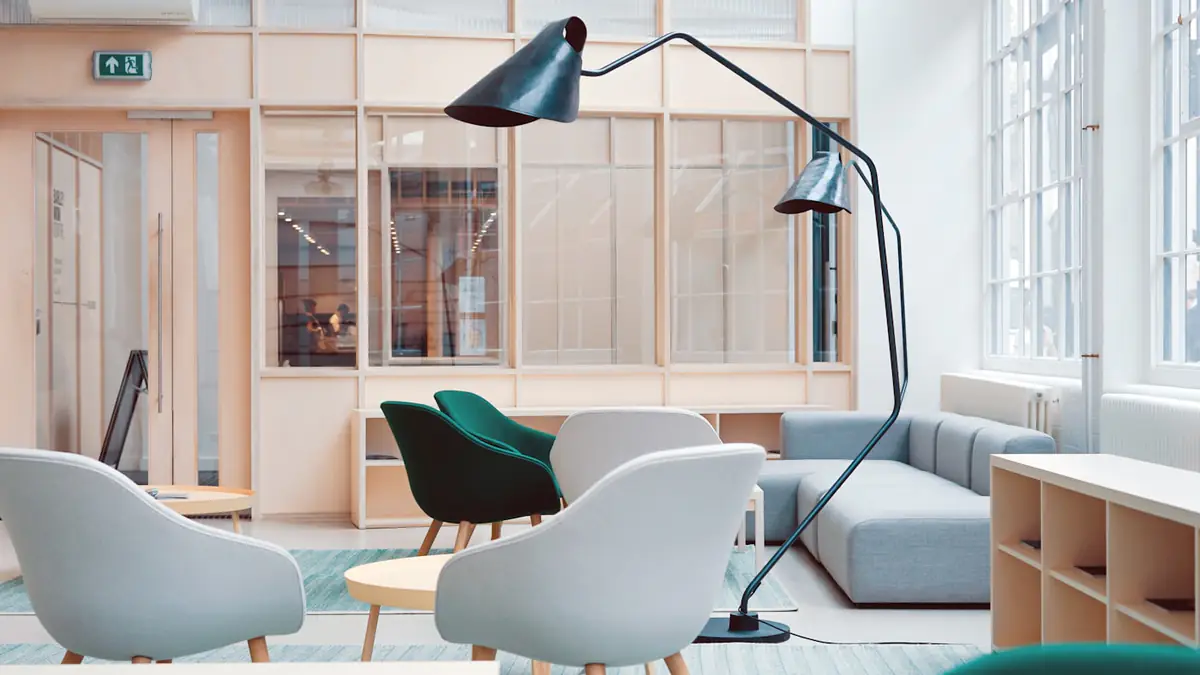
A relax zone trades some acoustic privacy for comfort and flexibility. Sofas, lounge chairs, café-style tables, and softer lighting invite a different pace. This is where you handle email triage, social content scheduling, light research, brainstorming, or the admin block at the end of the week that never feels urgent until it piles up.
Relax zones also suit hybrid days. Maybe you spent the morning in deep work and your brain is cooked by 2 p.m. Shifting to a relax zone lets you stay productive without pretending you can still crank out polished copy. Many Malaysian freelancers working across time zones use relax zones for asynchronous check-ins — replying to Slack threads, updating Trello cards, or reviewing feedback that does not need a spreadsheet open.
The trap to avoid: treating a relax zone like a focus zone and expecting silence. If you choose the couch corner, you are opting into a social energy level. That is a feature, not a bug, as long as you match the task.
Reading your own workstyle honestly
Before you pick a zone, run a quick audit of your typical week. Split tasks into three buckets:
- Deep work — requires 45+ uninterrupted minutes and high mental load.
- Shallow work — necessary but fragmented; tolerates interruption.
- Recovery — low stakes; benefits from change of scenery or light conversation.
If deep work dominates — developers, copywriters on retainer, designers in revision rounds — bias toward focus zones on your heaviest days. If your week is mostly calls, coordination, and short-turnaround edits, a relax zone might carry you further than you expect.
Personality matters too. Introverted freelancers often recharge in focus zones even for medium-intensity tasks because the predictability reduces social fatigue. Extroverts sometimes find focus zones sterile and do their best thinking in a relax zone with muted background buzz. Neither preference is wrong; the goal is alignment, not virtue.
Switching zones without losing momentum
The most productive coworking habit is not picking one zone forever — it is transitioning deliberately. A simple pattern that works across KL and Selangor venues:
- Morning block (focus): hardest deliverable first, before inbox and chat apps open.
- Midday shift (relax): lunch, admin, quick calls, portfolio updates.
- Afternoon decision: return to focus if a deadline looms; stay in relax for creative ideation or networking.
Pack accordingly. Focus zone days need your best headphones, a charged laptop, and snacks that do not crinkle loudly. Relax zone days benefit from a notebook for sketching ideas and a phone on silent-but-visible for timed breaks.
Making it work from home or a café
You do not need a branded coworking floor to apply the same logic. At home, your desk is the focus zone; the living room or balcony is the relax zone. The failure mode is blending them — working from the sofa all week, then wondering why your back hurts and your deadlines slipped.
In cafés around Batu Caves or PJ, mimic focus mode by choosing smaller tables, facing a wall, and visiting during off-peak hours. Use the relax-zone mindset when you are meeting a collaborator for a casual catch-up over coffee — laptops half-open, conversation welcome.
Signs you chose the wrong zone today
Listen to your body and output. If you have been in a focus zone for three hours and have rewritten the same paragraph, a relax-zone break might unlock you. If you are in a relax zone and have snapped at every notification, it is time to migrate — or head home for the day.
Freelancing in Malaysia already asks you to juggle clients, payments, and humidity. Your workspace should not be another unpredictable variable. Treat focus and relax zones as two gears on the same bike: same journey, different terrain. Shift early, shift often, and you will get more done without feeling like you live at your desk.