Remote work · 3 February 2026
Café vs Home vs Coworking in Malaysia
A practical comparison of where Malaysian freelancers actually get work done — costs, focus, meetings, and when to switch between café, home, and coworking.
 Remote work
Every freelancer in Malaysia has a origin story that starts with a laptop and a question: where should I work today? Home is free. Cafés feel creative. Coworking spaces promise professionalism without a lease. None of the three is universally best — the right answer depends on your client mix, your neighbourhood, and how your brain handles distraction.
This guide compares café, home, and coworking setups the way working freelancers actually experience them — not as lifestyle aesthetics, but as weekly tools in the Klang Valley and beyond.
Home: maximum control, hidden friction
Working from home is the default for many Malaysian digital workers, especially after remote collaboration became normal across agencies and startups. The wins are obvious: no commute, flexible meals, and total control over your chair, monitor, and air-conditioning.
The hidden costs show up over months:
- Boundary bleed — family members, housemates, or delivery riders interrupt deep work because you are "available."
- Ergonomic drift — dining tables and bed desks feel fine until your shoulders disagree.
- Motivation troughs — without external structure, starting the day can take an extra hour of scrolling.
Home works brilliantly when you have a dedicated desk, clear household rules, and a client roster that does not require frequent in-person impressions. It struggles when you need separation between work mode and rest mode in a single room studio.
Best home tasks: video editing with your own gear, long coding sessions, confidential client work, early-morning focus blocks before the city gets loud.
Café: cheap energy, unpredictable rules
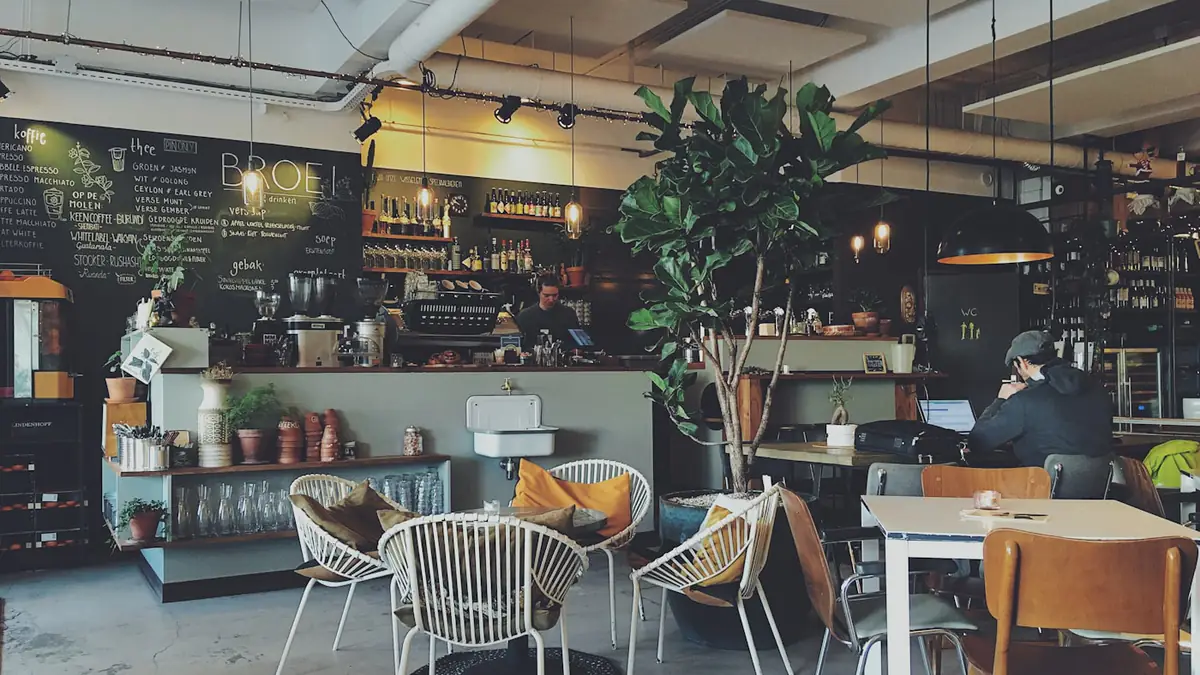
Cafés from Batu Caves to Bangsar trade a drink purchase for atmosphere. For solo freelancers, they offer ambient energy, natural breaks, and a reason to leave pyjamas behind. The social presence of other humans — even strangers — can nudge procrastinators into action.
But cafés are not offices. Power outlets disappear during peak lunch. Wi-Fi quality varies. Staff may gently pressure you to order again if you camp four hours on one Americano. Rainy-season KL traffic might make your "quick café session" a parking ordeal.
Treat cafés as tactical venues, not your primary HQ:
- Use them for two- to three-hour blocks, not full workdays.
- Scout locations with stable Wi-Fi and tolerant laptop policies before client weeks.
- Keep sensitive calls short or use headphones with a reliable mic — background music and espresso machines do not respect NDAs.
Best café tasks: brainstorming, light writing, moodboarding, catching up on newsletters, low-stakes admin.
Coworking: structure without a corporate lease
Coworking spaces — including community-oriented venues in Selangor and KL — bundle desk access, meeting options, printing, and professional surroundings into a membership or day pass. You are buying consistency: a place where working on a laptop is the norm, not an exception.
For Malaysian freelancers, coworking solves problems home and cafés cannot:
- Client-facing credibility — hosting a discovery call from a tidy shared space beats apologising for laundry in the background.
- Network density — designers, developers, and consultants cross paths without forced networking events.
- Zone choice — many venues offer focus areas and more relaxed lounges so you are not locked into one vibe all day.
Coworking is not automatically cheaper than home. It is often cheaper than renting a private office and more predictable than stacking café receipts. Compare it to what you bill per hour: if one focused coworking day unlocks a deliverable that pays for the week, the maths works.
Best coworking tasks: deep work in focus zones, workshops, team sprints, client meetings in multipurpose rooms, weeks when home renovation or Ramadan schedules disrupt your routine.
Side-by-side: what actually matters
| Factor | Home | Café | Coworking |
|---|---|---|---|
| Monthly cost | Low (utilities only) | Variable (F&B) | Membership or day rate |
| Focus reliability | High if disciplined | Low–medium | Medium–high |
| Meeting suitability | Poor unless isolated | Poor | Good |
| Networking | None | Accidental | Built-in |
| Ergonomics | You control setup | Usually poor seating | Desk-grade options |
| Peak-hour stress | Low | Parking + noise | Depends on venue |
Numbers shift by neighbourhood — EcoSky-area freelancers face different parking realities than someone in a walkable PJ strip — but the pattern holds: home optimises cost, coworking optimises professionalism and focus infrastructure, cafés optimise short creative bursts.
A hybrid week that works
Most successful freelancers rotate venues instead of picking one forever:
- Monday–Tuesday: coworking for deep work and weekly planning while motivation is fresh.
- Wednesday: home for calls and async collaboration.
- Thursday: café for creative looseness or a change of scenery.
- Friday: coworking or home for admin, invoicing, and next-week prep.
Adjust for MRT access, school pickups, and client time zones. The hybrid model fails only when it is accidental — when you default to whatever is convenient and wonder why Fridays feel chaotic.
Decision checklist before you commit
Ask five questions:
- Do clients see my workspace on video calls?
- How many hours of deep work do I need weekly?
- Can I enforce boundaries at home?
- Do I need meeting space more than twice a month?
- Does leaving the house improve my mood or drain it?
If calls and meetings dominate, lean coworking. If you are heads-down technical talent with a solid home desk, stay home and use coworking as a monthly reset. If you are still experimenting, cafés are a low-risk sampler — but budget them as a treat, not infrastructure.
Malaysia's freelance economy keeps growing because talent is mobile. Your workspace should be mobile too — chosen on purpose, switched without guilt, and aligned with the work that pays your invoices.